


NHẬN BÁO GIÁ
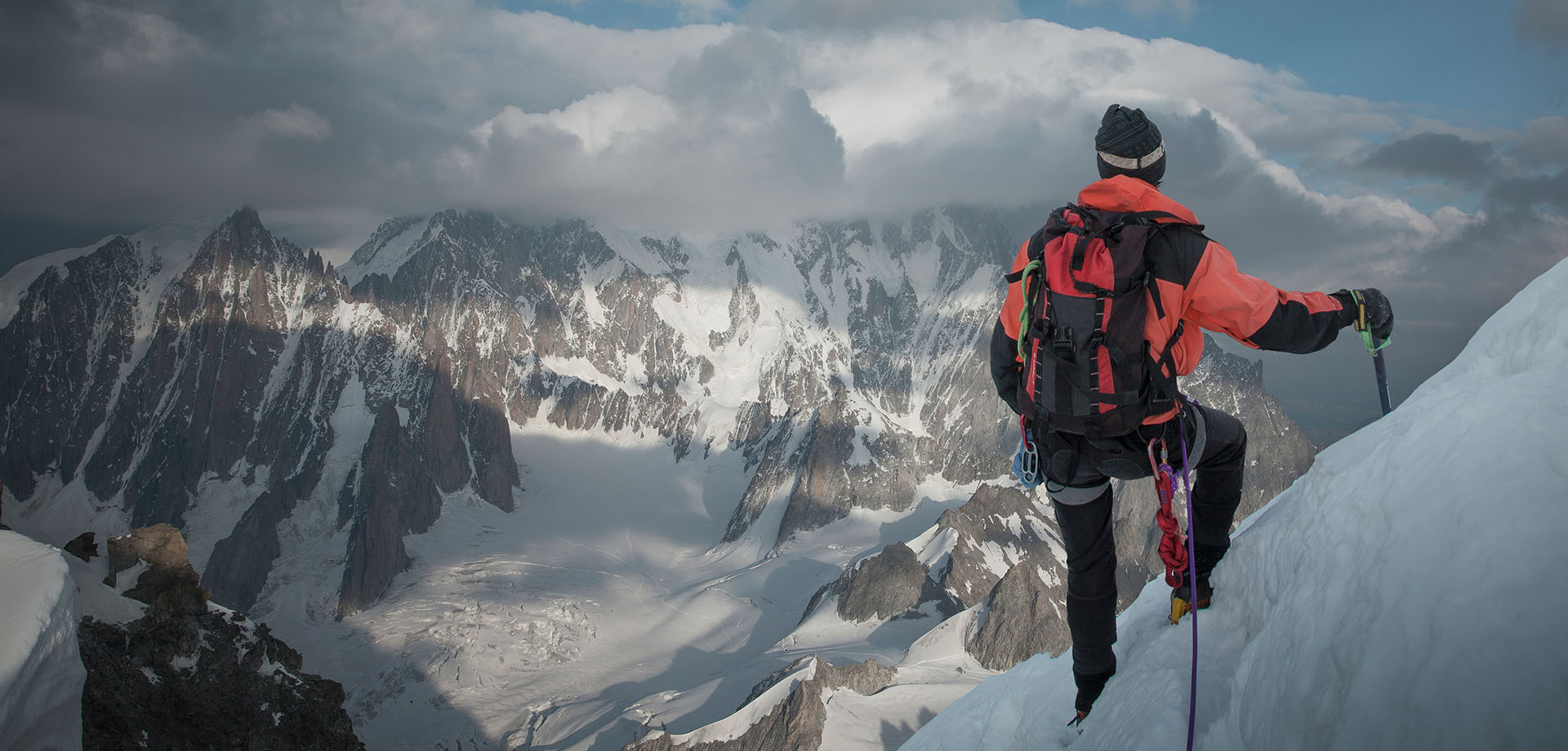
Dụng cụ cắm trại ngoài trời tùy chỉnh
Tìm kiếm
Nhà cung cấp dụng cụ cắm trại
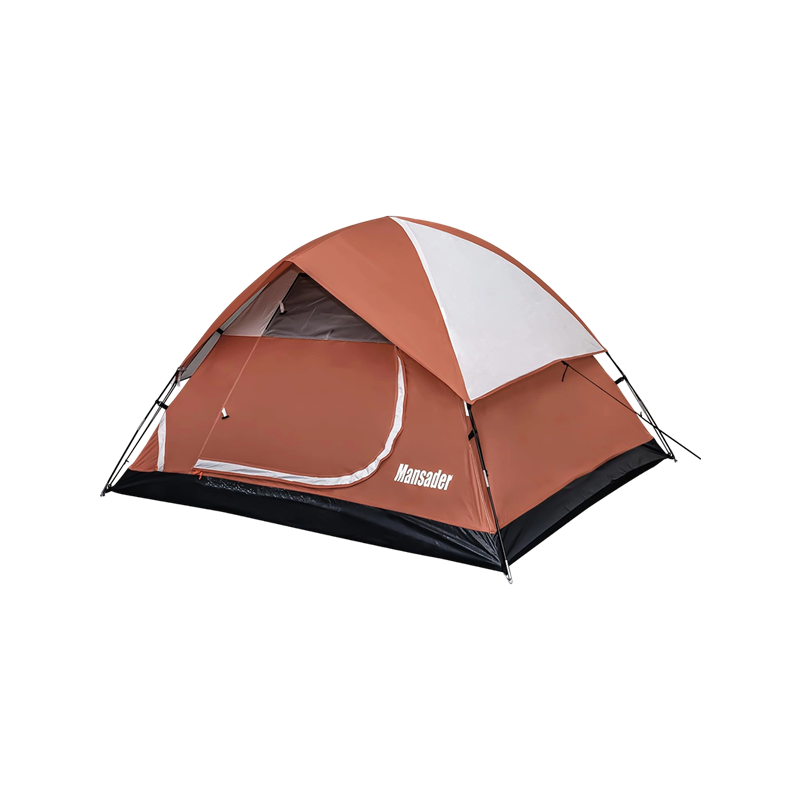
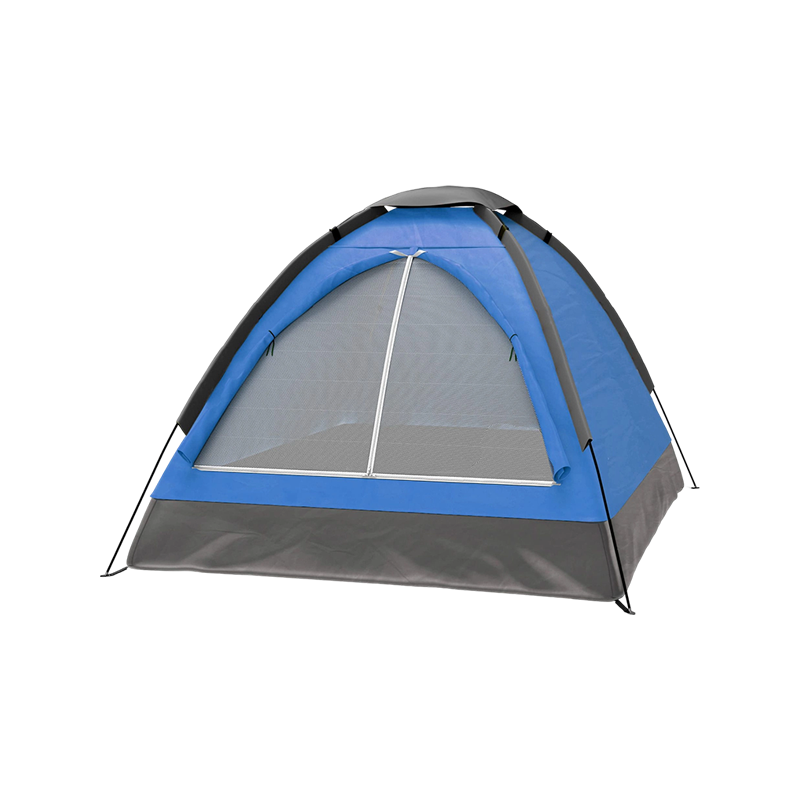
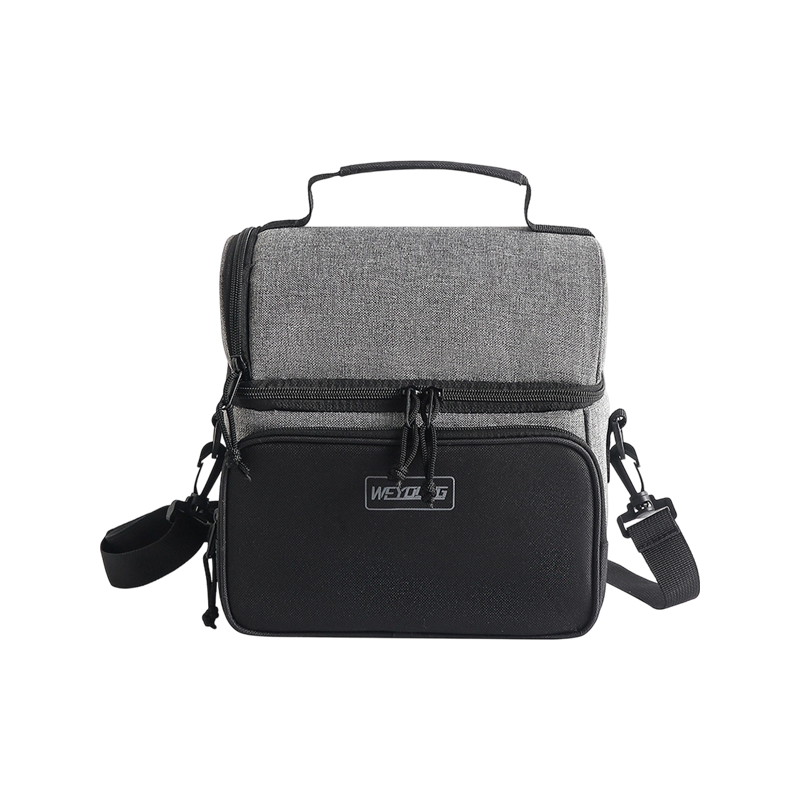
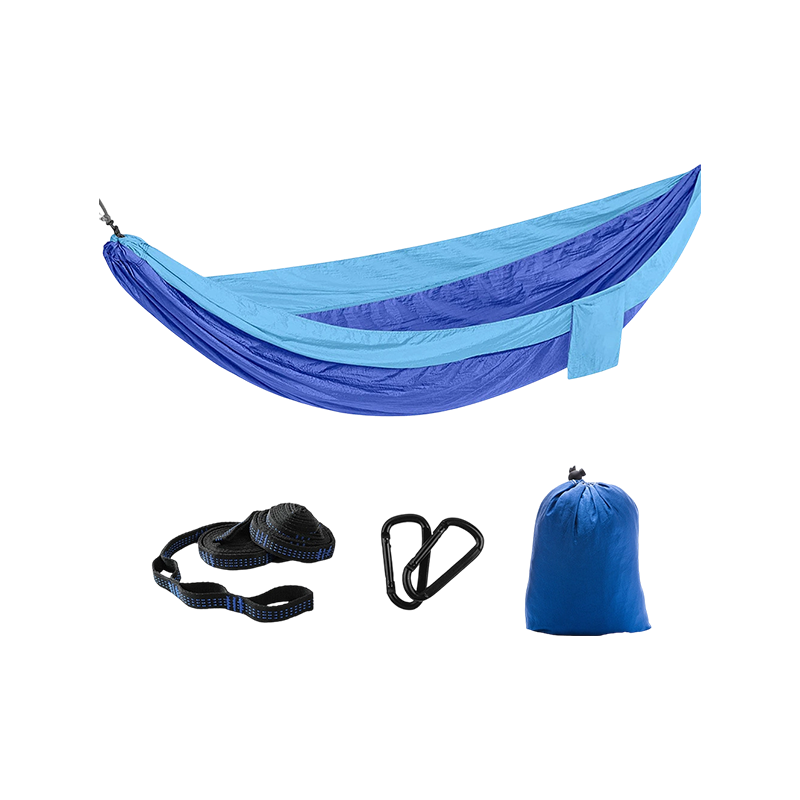
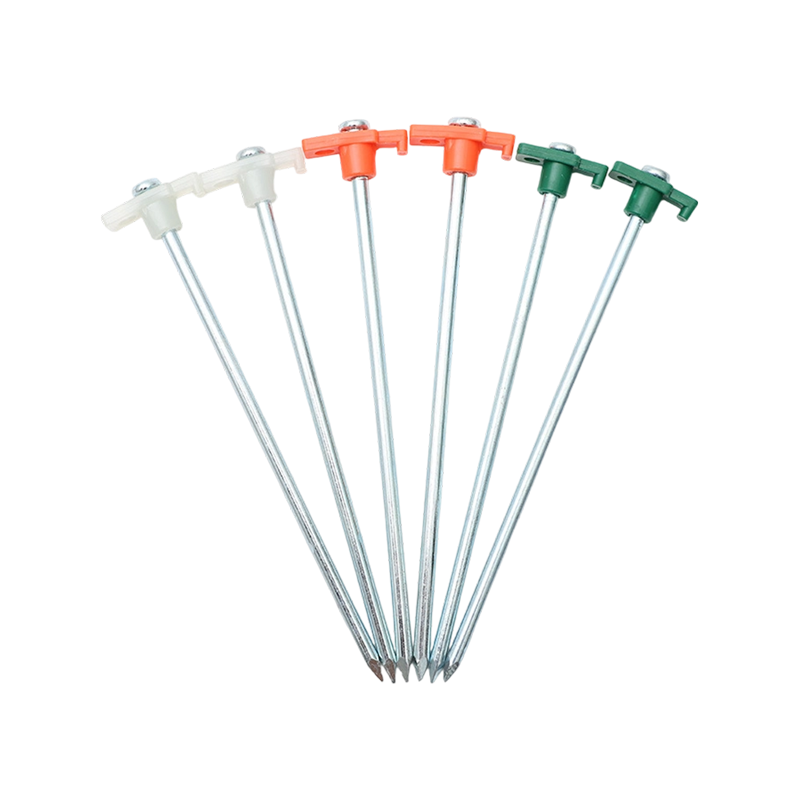
Chúng tôi cung cấp đầy đủ các giải pháp để tạo ra những ngôi nhà di động ngoài trời, từ lều và bạt để tránh gió và mưa đến túi ngủ và võng để nghỉ ngơi và thư giãn, từ bàn ghế gấp để nấu nướng và ăn uống đến dụng cụ dã ngoại để bảo quản và bảo quản thực phẩm cũng như nhiều phụ kiện khác nhau để ổn định khu cắm trại. Cho dù đó là tắm nắng trên bãi biển, cắm trại sâu trong rừng hay dã ngoại cuối tuần trong công viên, dòng sản phẩm của chúng tôi đáp ứng mọi tình huống, bao gồm lều mở nhanh, tấm bạt vinyl, bàn cuộn trứng và túi dã ngoại cách nhiệt, đảm bảo sự thoải mái và yên tâm mỗi đêm giữa thiên nhiên cũng như trải nghiệm ăn uống ngoài trời dễ chịu và thư thái.

Giới thiệu về CragHaven
CragHaven Outdoor — thương hiệu quảng cáo ngoài trời và đối tác sản xuất quốc tế, có trụ sở tại Hàng Châu, Trung Quốc.
As Trung Quốc Công ty dụng cụ cắm trại ngoài trời và Nhà cung cấp dụng cụ cắm trại, chúng tôi tập trung vào các tình huống leo núi, đi bộ đường dài và cắm trại, cung cấp các thiết bị ngoài trời có chức năng, đáng tin cậy và giá trị lâu dài cho thị trường toàn cầu.
Tên 'CragHaven' phản ánh sự cân bằng và ổn định trong tự nhiên. Triết lý này định hình cách tiếp cận của chúng tôi trong thiết kế sản phẩm, lựa chọn vật liệu và giải pháp sản xuất.
Sản phẩm liên quan
Tin tức
-
Đối với nhóm mua sắm đang xây dựng danh sách lều cho mùa giải ngoài trời năm 2026, Lều nhanh và lều truyền thống quyết định là sự đối đ...
ĐỌC THÊM -
Lộ trình 5 ngày qua thung lũng Chamonix cần 7,5kg thực phẩm, 2kg nước, lều 1,5kg, túi ngủ 1kg và 2kg quần áo. Đó là 14kg trước khi đóng gói. Với tải t...
ĐỌC THÊM -
Tin tức ngành Ngày 3 tháng 8 năm 2026 Bởi Nhóm Kỹ Thuật Pilewind đọc 10 phút Việc lựa chọn lều cắm trại phù hợp có th...
ĐỌC THÊM -
Tin tức ngành Một trong những sai lầm phổ biến nhất mà những người mới cắm trại mắc phải là nhầm lẫn giữa lều cắm trại đeo ba lô và lều cắm trại...
ĐỌC THÊM -
Tin tức ngành Bởi Nhóm Kỹ Thuật Pilewind đọc 11 phút Việc lựa chọn vải lều là một trong những quyết định quan trọng nhất trong...
ĐỌC THÊM
Biểu mẫu phản hồi
Dụng cụ cắm trại Kiến thức ngành
What Makes Shelter Fabric Actually Weatherproof
A tent's ability to keep a campsite dry has less to do with the fabric itself and more to do with how it's coated and seamed. Most modern tarps and tent flysheets rely on a polyurethane (PU) or silicone coating applied to a polyester or nylon base, and the thickness of that coating determines the hydrostatic head rating — the industry's standard measure of waterproofness, expressed in millimeters. A rating below 1,500mm will handle light drizzle, but sustained rain or wind-driven moisture calls for 3,000mm or higher, especially at stress points like the tent floor and seams.
Seam construction matters just as much as the fabric coating. Stitched seams create thousands of tiny needle holes that, left untreated, become the weakest point in an otherwise waterproof shell. That's why quality outdoor gear uses taped or heat-sealed seams rather than relying on fabric alone. From our production line, this is one of the details our team pays closest attention to, since a single untreated seam can undermine an entire shelter's performance in real-world conditions.
UV degradation is a less obvious but equally important factor. PU coatings break down faster under prolonged sun exposure than PVC-based vinyl tarps, which is why vinyl remains a popular choice for tarps that stay pitched for extended periods, such as at semi-permanent campsites or beach setups, while lighter PU-coated fabrics suit backpackers who prioritize weight over long-term sun exposure.
Sleep System Design: Matching Insulation to Conditions
A sleeping bag's comfort rating is only meaningful when paired with the right insulation type. Down fill offers the best warmth-to-weight ratio and compresses smaller for transport, but it loses insulating power when wet unless treated with a hydrophobic coating. Synthetic insulation, typically polyester fiber, costs less, dries faster, and continues to insulate even when damp — a practical advantage for humid forest camping or trips near water.
Hammock camping introduces a different insulation challenge entirely. Because a hammock compresses insulation underneath the body, a standard sleeping bag loses much of its effectiveness there; an underquilt or dedicated hammock sleeping system is needed to maintain warmth from below. This is a distinction that CragHaven's product development team factors into how sleep gear is paired and recommended across different camping scenarios, rather than treating tents and hammocks as interchangeable sleep setups.
Temperature ratings printed on sleeping bags are typically based on the EN 13537 or ISO 23537 testing standard, which provides three figures: a comfort rating, a lower limit, and an extreme rating. For most campers, the comfort rating — not the extreme rating — is the number that should guide purchasing decisions, since it reflects the temperature at which an average sleeper stays warm through the night rather than merely survives it.
Campsite Efficiency: Setup Speed and Ergonomics
Quick-opening tents have shifted campsite setup from a 15-20 minute process to under two minutes, using pre-tensioned pole systems that pop into shape rather than requiring pole-by-pole assembly. This design is particularly valuable for beach outings and weekend park picnics, where setup time directly affects how much of a trip is actually spent relaxing versus assembling gear. Sourcing camping gear designed around this kind of rapid deployment has become a growing priority for outdoor retailers responding to casual, short-duration camping trends.
Folding tables and chairs designed for outdoor dining follow a different set of engineering priorities than shelter gear: load capacity, pack size, and joint durability under repeated folding cycles. An egg roll table design — where the tabletop rolls into a compact cylinder around the folded legs — reduces pack volume significantly compared to flat-folding designs, making it a preferred format for car camping and tailgate-style setups where trunk space is limited.
Ground stability accessories are often an afterthought in gear planning, but stake type and tension system choice can determine whether a shelter survives a windy night. Sand or snow stakes differ meaningfully in holding power from standard steel stakes, and matching stake type to terrain is a detail that separates a stable overnight setup from a collapsed one.
Food Storage and Insulation for Outdoor Dining
Insulated picnic bags rely on closed-cell foam or reflective foil lining rather than thickness alone to maintain temperature. A well-lined bag can hold perishable food safely for 4-6 hours in moderate outdoor temperatures, which is typically sufficient for a day trip but not for multi-day deep camping, where a dedicated cooler with ice packs becomes necessary instead.
Outdoor dining setups benefit from thinking about food preservation and food preparation as separate systems rather than a single piece of gear. Preservation gear like insulated bags and coolers focuses on temperature retention, while preparation surfaces such as folding tables need to prioritize stability and easy cleaning, since spills and food debris are inevitable in outdoor settings.
Selecting reliable outdoor camping equipment for food storage and dining ultimately comes down to matching gear to trip duration and environment; a beach day and a week-long forest expedition demand very different insulation and storage strategies, and treating them the same is one of the more common gear-planning mistakes campers make. In our own product line, this is why CragHaven separates picnic-focused gear from expedition-focused gear rather than offering one-size-fits-all solutions.

Sẵn sàng tạo ra các sản phẩm ngoài trời đáng tin cậy?
Bắt đầu yêu cầu OEM / bán buôn
Liên kết
Sản phẩm
Văn phòng
- Điện thoại: +86-15968800379
- Email: [email protected]
- Địa chỉ: Phòng 1002, Tòa nhà Huishang, Quận Gongshu, Thành phố Hàng Châu, Tỉnh Chiết Giang.
Liên hệ với chúng tôi
Bản quyền© CragHaven Outdoor Bảo lưu mọi quyền. Công ty dụng cụ cắm trại ngoài trời Dụng cụ cắm trại tùy chỉnh
